


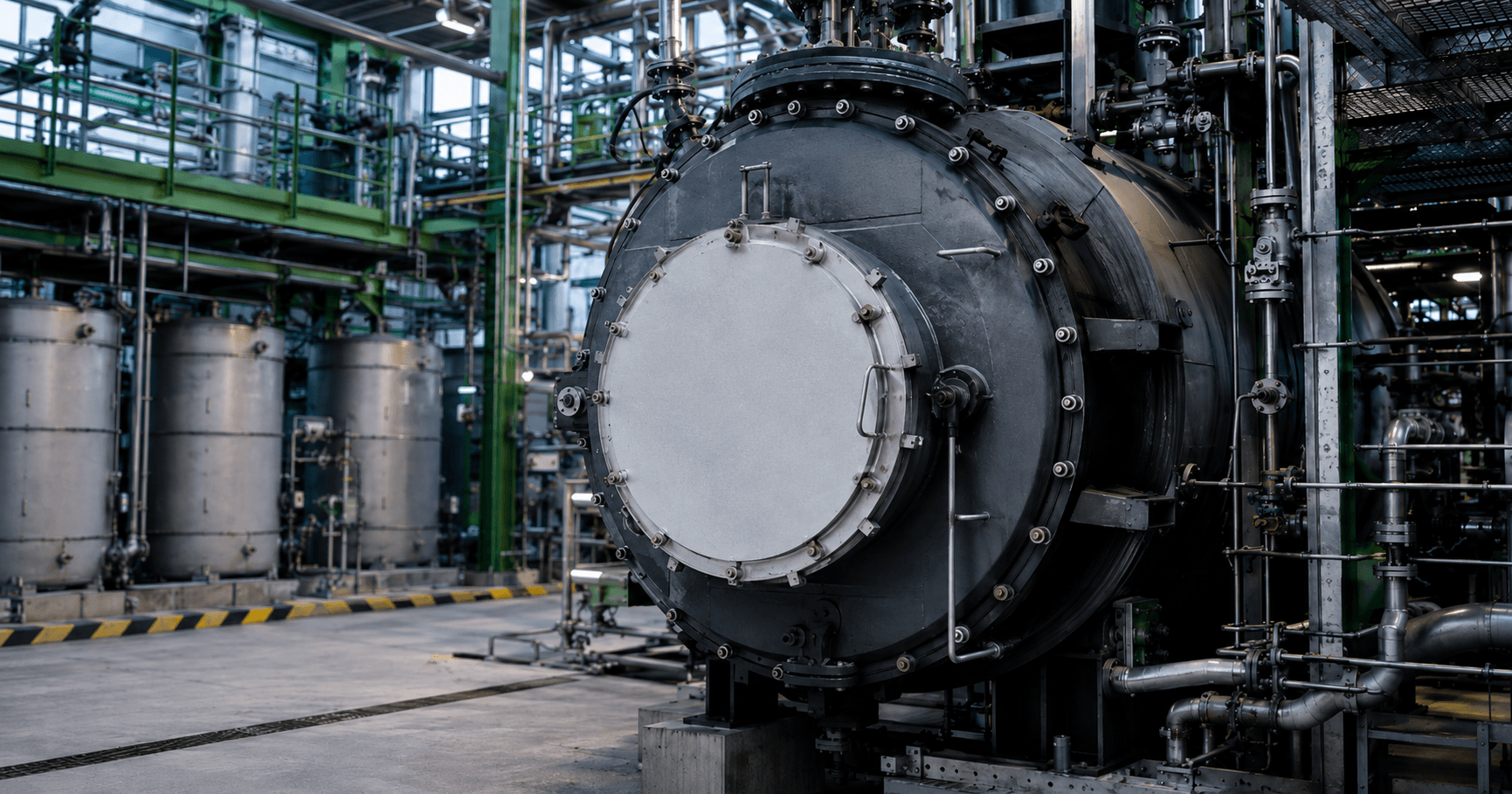

The plastics industry is entering a new phase as companies move beyond traditional recycling approaches toward advanced chemical recycling technologies. The collaboration between INEOS and Recuro to develop a pyrolysis-based chemical recycling facility in Norway highlights a broader industrial shift toward converting difficult-to-recycle plastic waste into new production feedstocks.
Technology intelligence shows that innovation in circular plastics is increasingly focused on combining chemical processes, advanced recycling technologies, and industrial-scale manufacturing solutions. Companies are investing in technologies that can help maintain material performance while increasing recycled content in demanding applications.
Chemical Recycling Moves Beyond Traditional Plastics Recovery
Plastic recycling has historically focused mainly on mechanical recycling, where waste materials are processed and reused while maintaining their original polymer structure.
However, many complex plastic streams cannot be effectively recycled through conventional methods due to contamination, mixed materials, or degradation of properties.
Chemical recycling introduces a different approach by breaking plastic waste down into chemical building blocks that can be used again in industrial production.
The INEOS and Recuro collaboration focuses on pyrolysis-based recycling, where plastic waste is converted into oil and gas fractions that can be processed into new chemical feedstocks.
The planned facility at INEOS’s Bamble polymer site in Norway is expected to process approximately 33,000 tonnes of waste input annually, producing recycled feedstock that can be used to manufacture chemically recycled polyethylene.
The project reflects a wider industry transition:
Plastic waste management
↓
Circular chemical production systems
Why Advanced Recycling Technologies Are Becoming Strategic
The growing interest in chemical recycling is driven by several industrial challenges:
- Increasing demand for recycled content in plastics
- Need for circular solutions for complex waste streams
- Pressure to reduce dependence on virgin raw materials
- Development of lower-carbon production pathways
- Regulatory requirements supporting circular economy models
Industries such as packaging, chemicals, automotive, and consumer products increasingly require recycled materials that maintain the same technical performance as conventional polymers.
Advanced recycling technologies aim to address this challenge by enabling recovered materials to return to high-value applications.
Patent Intelligence Reveals Where Circular Plastics Innovation Is Moving
Technology intelligence provides visibility into how companies and research organizations are developing next-generation recycling technologies.
O STIMAnalytics Patent Landscape Reports analyze global innovation activity to identify technology trends, leading innovators, emerging applications, and competitive developments.
Patent landscapes help organizations understand:
- Which recycling technologies are gaining momentum
- How companies are improving chemical conversion processes
- Where innovation clusters are forming
- Which players are developing new circular material solutions
The evolution of chemical recycling is not limited to one process. Innovation is developing across pyrolysis, polymer recovery, waste treatment, catalyst technologies, process optimization, and integration with existing chemical production systems.
Three Innovation Areas Shaping Circular Plastics Technologies
1. Advanced Chemical Recycling Processes
Companies are developing new approaches to convert plastic waste into valuable chemical inputs.
Key innovation areas include:
- Pyrolysis technologies
- Improved waste conversion efficiency
- Better recovery of chemical feedstocks
- Integration with existing petrochemical infrastructure
The goal is enabling recycled materials to re-enter industrial production without compromising performance.
2. Process Optimization and Industrial Scale-Up
Moving from laboratory concepts to commercial facilities remains a major challenge.
Innovation is increasingly focused on:
- Increasing process efficiency
- Improving feedstock quality
- Reducing energy requirements
- Integrating recycling technologies into existing plants
Projects such as the INEOS and Recuro collaboration demonstrate the importance of scaling advanced recycling beyond pilot applications.
3. Sustainable Polymer Production
Circular plastics innovation is increasingly connected with broader sustainability objectives.
Companies are exploring:
- Lower-carbon production routes
- Renewable energy integration
- Resource-efficient chemical processes
- Improved material circularity
The future competitive advantage will depend not only on recycling waste but on creating economically viable circular production systems.
Key Innovators and Industry Activity
The chemical recycling landscape includes global chemical companies, technology developers, research organizations, and industrial partners working to improve plastic circularity.
The INEOS and Recuro partnership demonstrates the growing collaboration between established chemical producers and specialized recycling technology companies.
Other innovation activity across the sector includes companies developing pyrolysis systems, polymer recovery technologies, recycling catalysts, waste processing solutions, and circular material platforms.
Patent activity provides insight into how these organizations are positioning themselves in the transition toward a more circular plastics economy.
The Strategic Value of Patent Intelligence
Understanding technology development pathways helps companies make better innovation decisions.
For R&D Teams
Patent intelligence supports:
- Identifying emerging recycling technologies
- Understanding competitor research directions
- Discovering technology gaps
- Avoiding duplicated development efforts
For Strategy Teams
Technology analysis helps:
- Monitor market evolution
- Identify partnership opportunities
- Evaluate emerging technology pathways
- Support investment decisions
For Investors
Innovation intelligence provides insight into:
- Technology maturity
- Competitive positioning
- Commercialization potential
Understanding the Future of Circular Plastics Innovation
The plastics industry is evolving through advances in chemical recycling, process engineering, and circular production models.
The development of pyrolysis-based recycling facilities demonstrates how companies are moving toward technologies that can transform plastic waste into valuable industrial resources.
Understanding where innovation is moving is essential for organizations developing future materials strategies, sustainability programs, and investment decisions.
Explore the STIMAnalytics Chemical Recycling Technology Reports to discover emerging technologies, key innovators, and global innovation trends shaping the future of circular plastics.